
We have been showing our farm to lots of folks who are interested in growing a bit of food, raising some animals for meat, fishing some fish for the frying pan, etc.
I hear the same story repeatedly: we don’t want to live so dependent on the grocery stores. We want to learn how to do stuff ourselves. It is a day brightener every time. One young man said, “I am not going to raise my children like I was raised, with unlimited and unsupervised screentime.” He was about 26 years old, with two adorable sons and a supportive little wife who nodded and agreed. He went on to say, “My grandparents knew all this stuff, but my parents didn’t do any of it, and now I am clueless. But we bought a Backyard Gardening book and we are going for it!”
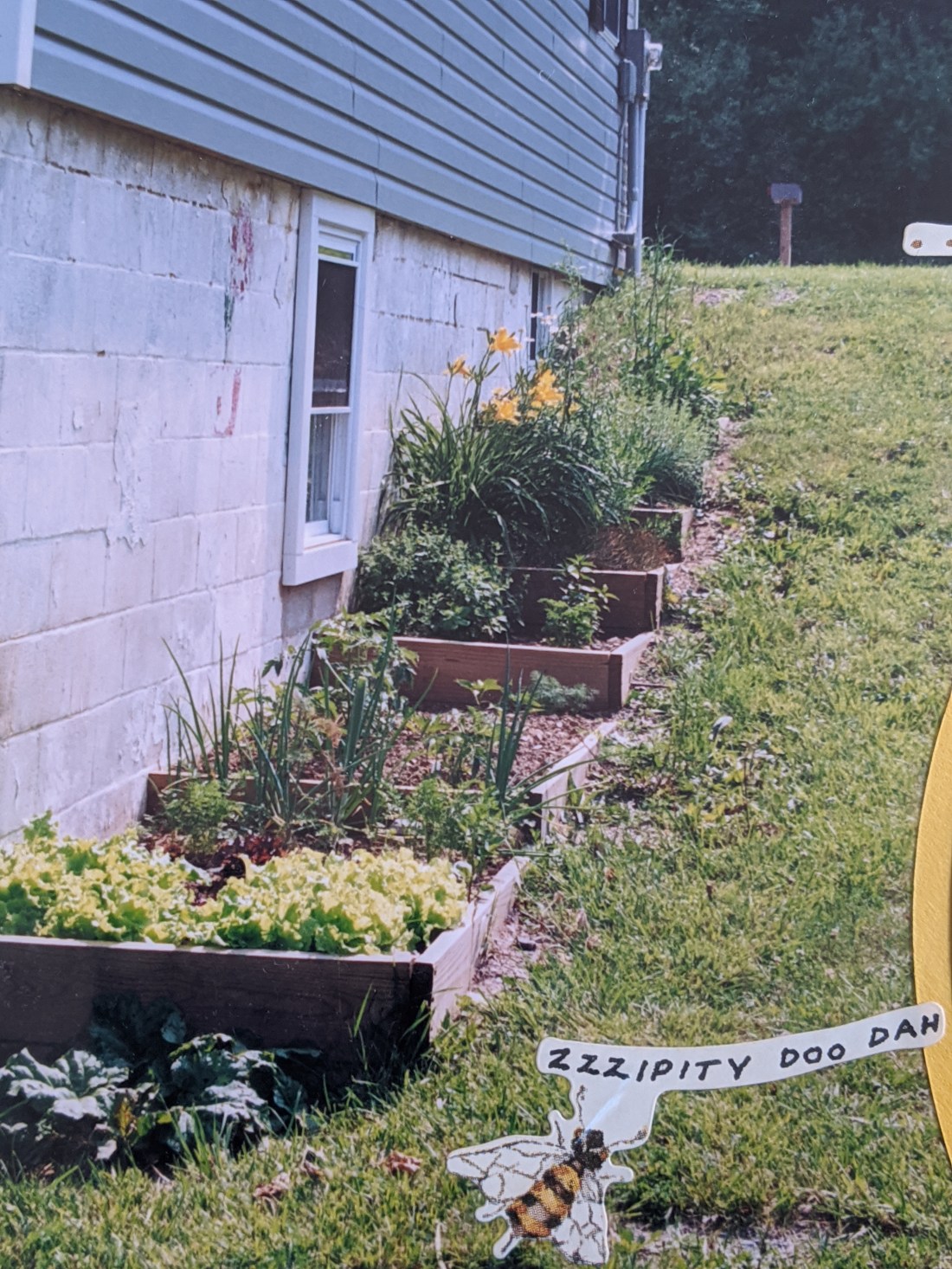
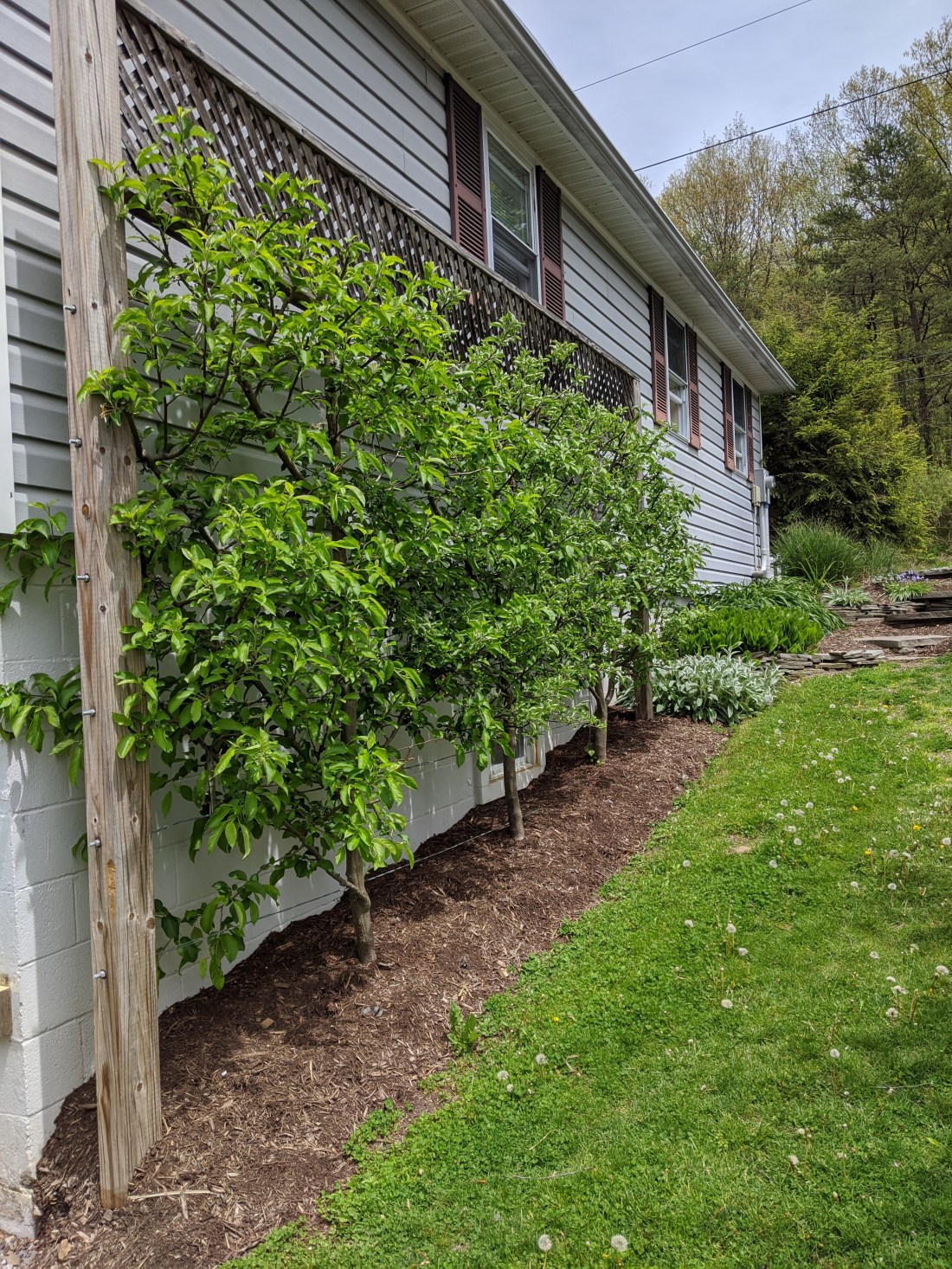
I cheer for all of these plucky people. This is a revolution that needed to happen! Pretty often I get questions from ladies who know I love to garden, and although I am no expert, I do give it all I’ve got because I love it like anything. It doesn’t take a large plot to grow some vegetables for your family. We started with a small terraced raised bed on the south side of the house. The next year my father-in-law, who was our landlord, brought us a dump truck load of topsoil that we spread out in the backyard on top of the exceedingly awful fill-dirt that hardly grew grass. It was about 25 feet square. Obviously, I couldn’t plant space hogs like sweetcorn, but I grew ample vegetables for the freezer and to eat fresh all summer and fall. I used a lot of organic matter, planted tightly, rotated crops, and made things like sunflowers share space with squash that could climb up their strong stalks if they wanted to. As our family grew, we kept tilling up more of the lawn each year, amending the soil, until now the hard clay is soft and fertile. I mention this just to say that you do not have to start a huge, overwhelming farm of a garden to experience the fun of growing vegetables. This first picture is our start-up garden the first year we were married. It got hot and dry and didn’t do too well, but we learned a lot and enjoyed the fruits of our labor. The second photo is of the espaliered apple trees we planted where the raised beds were. And last comes our garden from last year, so abundant and yielding enough vegetables to feed our family for the winter.

If I were going back to the basics, I would grow salad stuff for starters: lettuce (already started in the greenhouse gives you a major head start, especially since lettuce does not like hot weather and might not even germinate in late spring), radishes, sweet peppers, cucumbers (you can grow bush cucumbers that do not require much space, but my favorite space saver is tying them to a trellis), tomatoes (sharing the cucumber trellis or getting their own personal space). A word on tomatoes: if you like cherry tomatoes, you probably only need one plant, because they tend to go crazy. You can easily grow them in a pot on a sunny deck.
I would also grow herbs because they are super-easy. In fact, some of them discourage predatory insects, and they all attract beneficial insects. They can be mingled in a small space and not only do they taste amazing in your dishes, they look pretty too. Herbs flower for a long time and make beautiful fillers in summer bouquets. The ones I prefer to grow are basil (purple is my favorite), Italian (flat-leaved) parsley, chives, lavender, sage (I don’t use it, but it is pretty), mints, etc. Onions and garlic are very easy to grow too. In the spring, garlic puts out long curly scapes that can be cut off and used to season things long before the garlic bulbs are ready to harvest. I have grown herbs in containers right outside my kitchen door, which was super-handy.
What about food to preserve for winter? This is why I wrote this whole post, because I am so blessed by the simplicity. One word: beans. Of course, there are green beans, and they are wonderful, easy to grow, etc. They do require numerous pickings and you have to blanch them before you can freeze them. However, shell beans are as simple as it gets. You plant them in the ground and wait to harvest until the stalks are quite dead. They are easy to shell out of the dry pods, and the beans simply need to be stored somewhere dry so they don’t sprout before you cook them.
Years ago someone gave me a handful of the small red beans so common in Central America. I planted them and got a bumper crop at harvest- so many beans, in fact, that I didn’t plant them again for a few years. This spring I was looking for my seeds and decided that I must have forgotten to save some. I did an experiment, bought a bag of black and a bag of red beans. Then I spread some on a paper towel on a plate, wet them, and covered them with another paper towel. All of this got a plastic wrap over it, and I set it on top of the fridge where it is warm to check whether they would germinate.
They did! It took only 5 days for these roots to crack out. Where we live it is safe to plant beans now. Because they grow so fast, you want to make sure there is no danger of frost, because they won’t survive a freeze. I plant them fairly close, then thin them to 8 or 10 inches apart. They grow pretty bushy, so they do require a bit more space. And they are homely. I am sure there are climbing varieties available if you want to go vertical. But the good news is, you don’t even have to go buy seeds. You probably have some in your cupboard. You can try that germination test on anything dry you have, to see if it will grow.


Also, plant marigolds anywhere you want. They discourage pests. A vegetable bed doesn’t have to look utilitarian. Neither does a flower bed have to be purely ornamental. You can mix up all throughout them and have lots of butterflies, hummingbirds, bees, etc. If you get your hands on a bunch of cheap mulch, pile it on. Otherwise, swallow your frugality and buy some mushroom mulch. You won’t need to do much weeding or watering, and certainly no tilling with an expensive bit of equipment that cuts into all the money you are saving by growing your own beans. (Although we do now own a lovely tiller, we made out ok without one for many years.)
There is an amazing thing about the internet. Pretty much any question or conundrum you face in gardening is answered by an expert or an armchair gardener out there somewhere. Google “Why is my asparagus coming up crooked?” and you will soon have an idea. People love to share this sort of homespun knowledge. Poor grandma gave up on her children in the 60’s, but you can make her day by asking her questions now.
Here’s a quick and easy bullet list of easy care veg.
- lettuces
- cucumbers
- radishes
- tomatoes (a little picky if you get blight)
- herbs
- onions
- garlic
- beans, snap and shell
Tell me what you would grow first if you were starting up a veggie patch.
Also, coming soon… a post on the pickiest/bossiest/hardest veggies I have tried to grow.








 I make noodles with our eggs and a lot of bread too. This is turning my family into pasta and bread snobs, but it is a labor of love that I quite enjoy since I got my grandma’s pasta machine and learned a few of the tricks of sourdough. Naturally I was running low on flour right at the worst time of the panic buying in the stores. Since I always buy flour in fifty pound bags in this season of my life, I was trying to think how I could do that without looking like a hoarder. Happily I found that a friend with a small discount grocery store was also selling large bags of unbleached flour. Perfect. Nobody even saw me haul it out because I was her only customer.
 W
W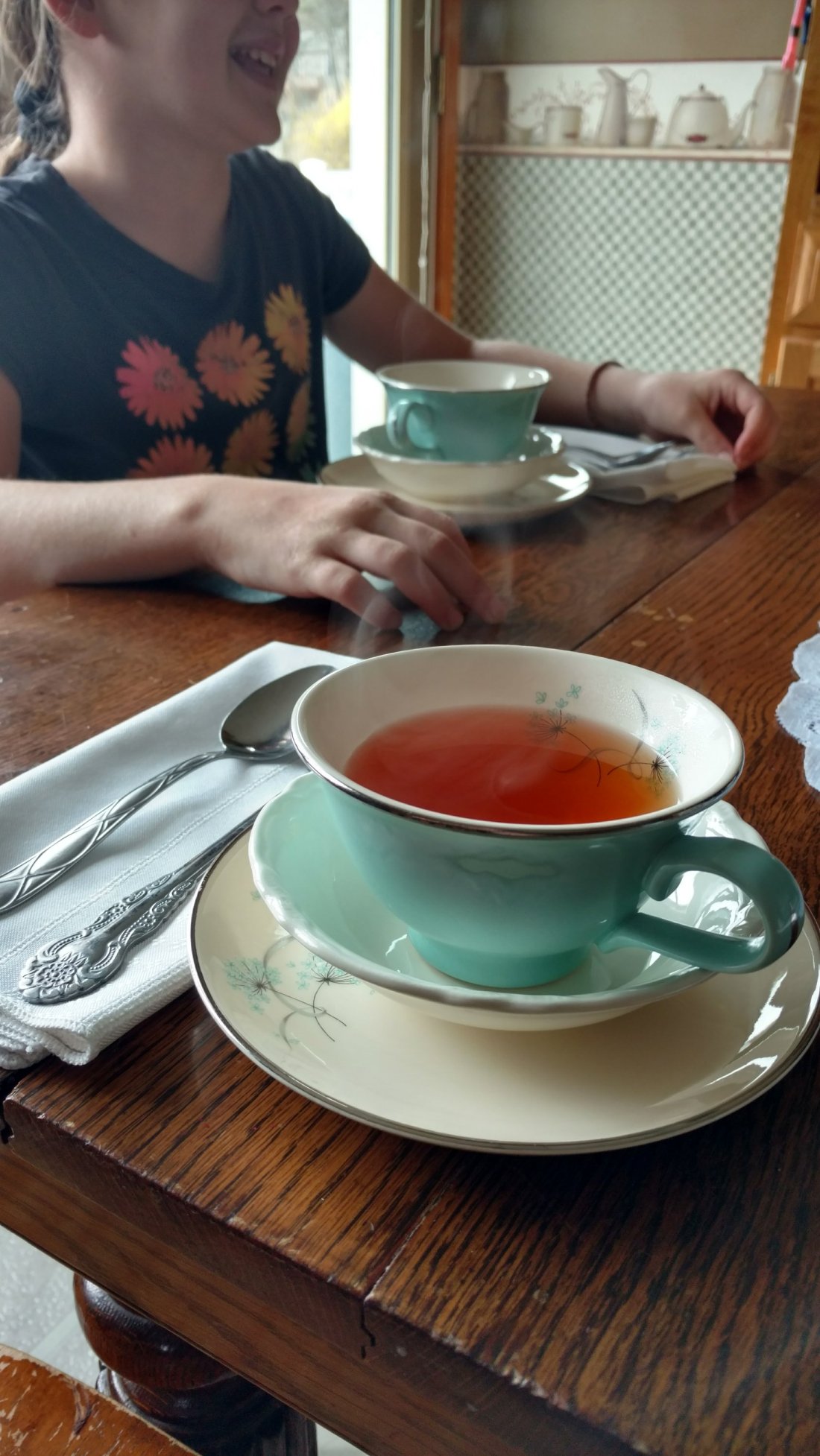 We’ve been continuing our winter tradition that we learned from the cousins- having tea and poetry once a week. This morning we listened to Great Poems for Children on
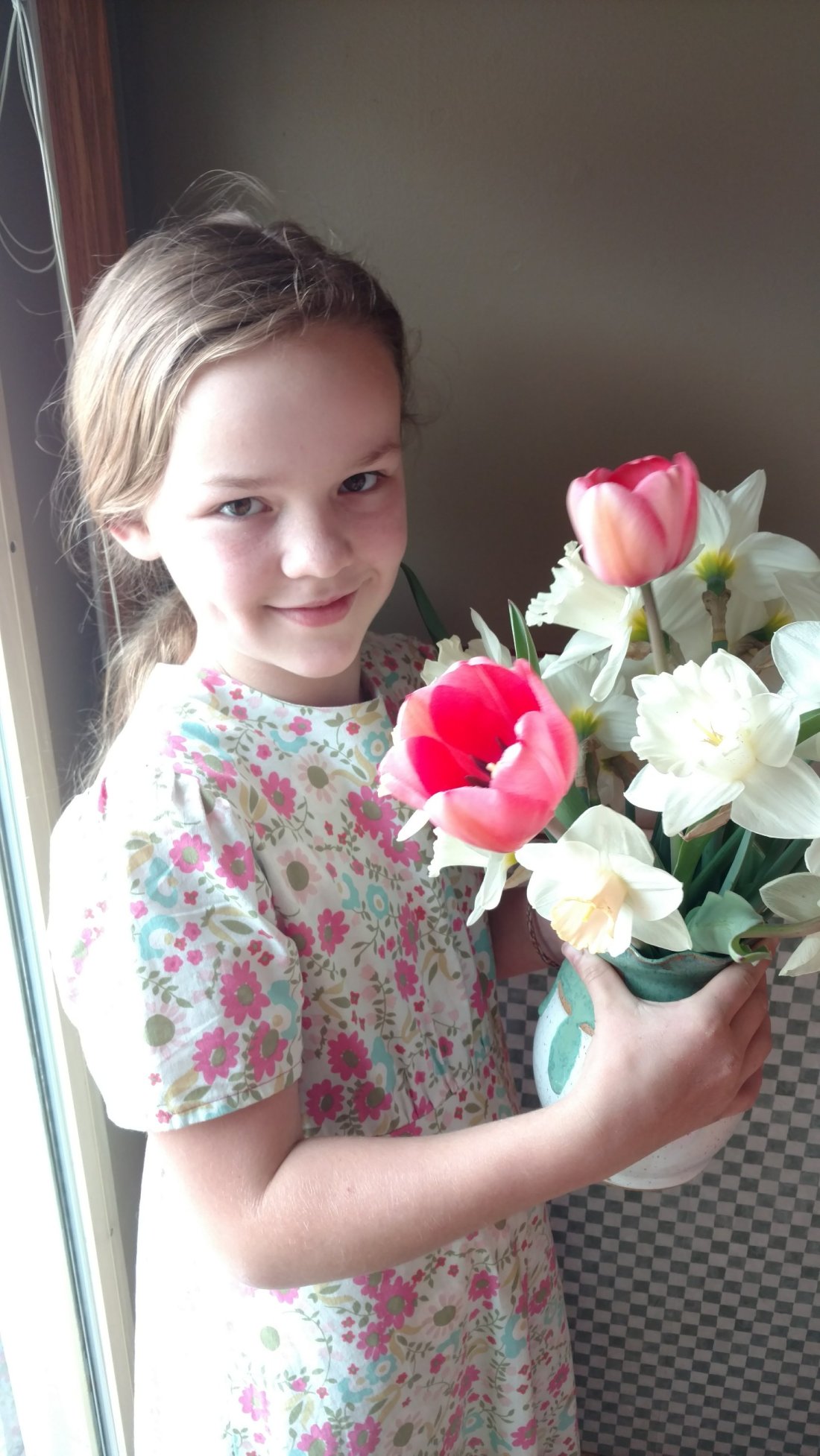
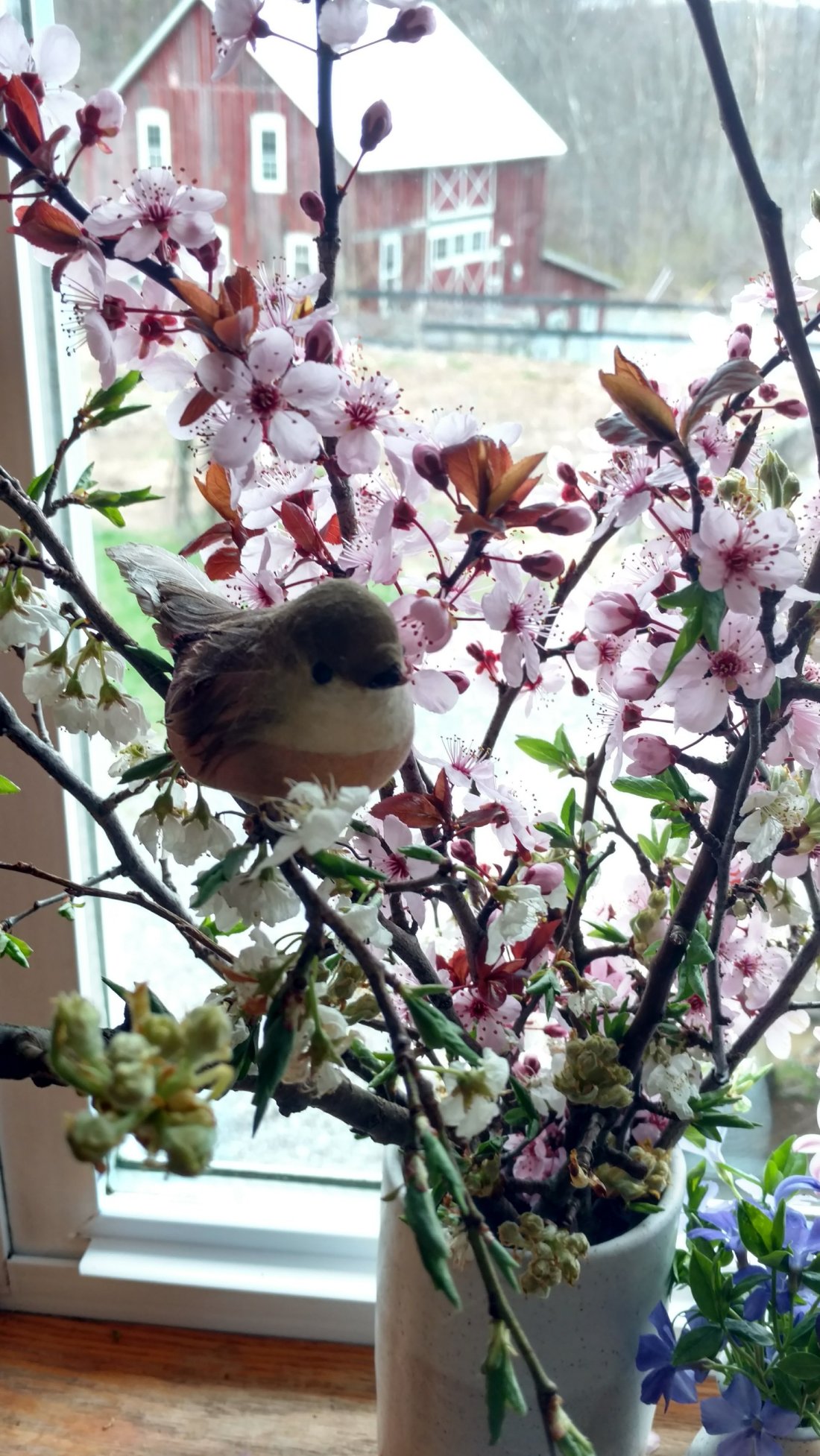 The photo above is a branch of ornamental plum that burst open within hours after Gregory brought it inside for me. The pear branch is slower, but ready to bloom as well. We’re relishing all the blooms as they come.Gabriel has had a week off work, after a marathon of nine consecutive night shifts. Today he was called in for some training with the “moon-suits” he will be wearing at work, since his unit in the hospital is the COVID19 unit. Last week there was one patient awaiting the results of the test. This week there are a few confirmed and a number waiting on results. It is amping up slowly, a huge blessing. The hospital is prepared, with ample PPE for their staff at this point. If you doubt that social distancing is effective, wait for two weeks before you fuss too loudly. Our counties in the middle of Pennsylvania have the lowest numbers in the state, probably due to not having many crowded cities and also having fewer travelers. Here’s to being homebodies! I vacillate between thinking surely it won’t reach us, to waking up from a nightmare that I am not able to go to the hospital with my child.






 But I also take them home from places where people who are obviously sick are hanging out. I once sat behind a person at an event and she was streaming out of her eyes and nose with a cold, mopping it up with a roll of toilet paper. After she produced a few explosive sneezes, I quietly moved to a spot far away. I have taken my children home from church when it became obvious that there were sick people sitting there. This is not because we didn’t want to be in church, but because I know what that sickness can do to a medically fragile person and I’d rather not face that. If you shrug off your germs and cough with abandon in public places, or go to Walmart with your kids who have chickenpox, or refuse to miss a concert even when you have a stomach bug, it is probably because you live the life of the privileged healthy person. Those who live with medical conditions on a daily basis do not begrudge you your status, but it is really helpful when you consider them as you go about your robustly normal life. I know covid19 can be a fear-mongering fest, but before you fume and complain too much, try to remember that you are part of a whole. Few live so solitary that their actions affect nobody, and if they do, they are to be pitied. If you know anyone who is fighting cancer, or anyone who carries an inhaler for asthma, or anyone who has ever been hospitalized for “routine illness,” then you know someone who deserves your consideration. Elisabeth Elliot said that Christian courtesy is “my life for yours”. It’s the pattern Jesus set, and it is the way of love. That’s all I have to say about that, I guess.
 wocket in my pocket